

Last October I spent some time in Oxford, England. I was participating in a board retreat with The Majurity Trust, a wonderful philanthropic organisation in Singapore where I volunteer some of my time. Oxford has that particular way of carrying its history lightly. Ancient stone, quiet confidence, no need to show off. The place invites reflection. Which suited me just fine.
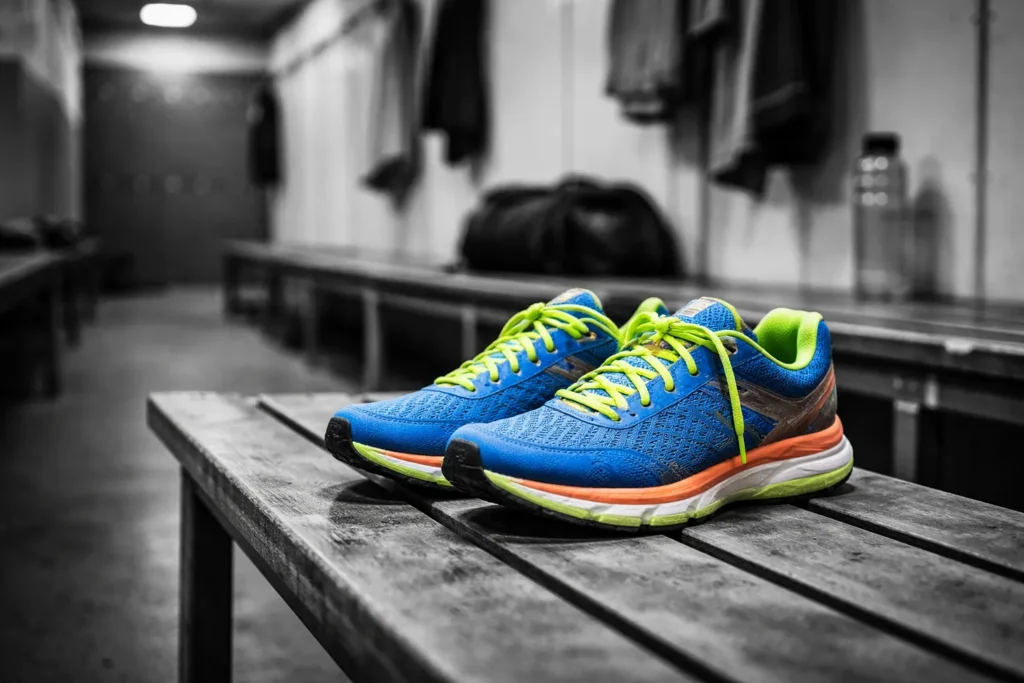
Like most mornings, wherever I am in the world, I laced up my running shoes and headed out early. Running does something for me: sets me up for the day, clears the mental clutter, keeps the body honest. It’s thinking time without a notebook.
I had worked out a route along the river and up to Port Meadow. It was a lovely, crisp morning and I felt good. Alas, I must have taken a wrong turn along the way, and while I wouldn’t say I was lost, I was not quite as sure of where I was as perhaps I ought to have been.
That’s when I met another runner. Relief! He looked like he knew where he was going. He slowed, looked at me, and smiled the universal runner’s smile, the one that says I don’t know you, but we’re doing the same thing. We exchanged a few words. Within seconds it became clear he was temporarily displaced too, something to do with his broad Australian accent.
We ran side by side for a bit, comparing notes, laughing at the absurdity of it. And then, as often happens when two people are moving rather than sitting across a table, the conversation deepened quickly.
On my feet
My fellow runner’s name was Keegan Crage. And it turned out we had more than running in common. Keegan had built a charity called On My Feet.
Keegan explained that On My Feet works with people experiencing homelessness, using physical activity, particularly running and structured training, as a gateway to something much bigger. Coaching. Discipline. Commitment. A sense of achievement. The rebuilding of identity.
Not charity for people, but partnership with them.
The premise is deceptively simple: show up, train together, set goals, keep commitments. Move the body, steady the mind. From there, On My Feet has grown to include life coaching, mentoring, and practical support to help people quite literally get back on their feet, both physically and metaphorically.
As he spoke, I found myself slowing my pace a little, not because I was tired, but because I didn’t want the conversation to end. Here we were, two men out running in a foreign country, talking about homelessness, dignity, and the quiet power of showing up consistently.
Serendipity meets intentionality
It strikes me how often the most meaningful encounters in life happen when you’re not trying to make anything happen at all. You don’t have to force things. You just have to put yourself in situations, with the right mindset, and let serendipity take care of the rest.
We eventually figured out where we were. Oxford revealed herself, as she does, when she felt like it. We made it back safely, with a few more KMs int he legs than I had originally prepared for. But the encounter stayed with me.
In the weeks that followed, Keegan and I stayed in touch. I dug deeper into On My Feet’s work. The stories of participants, people who had lost not just housing, but confidence, routine, and hope, were powerful. Again and again, a familiar pattern emerged: structure before solutions. Belonging before bureaucracy.
Running wasn’t the end goal. It was the doorway.
What resonated most with me was how aligned this was with a broader truth I’ve come to appreciate with age: transformation is rarely dramatic. It’s incremental. It’s built on habits. It’s sustained by community. It’s not about heroic effort. It’s about consistent effort.
That’s as true at midlife as it is when you’re starting again from the margins.
From Oxford to the podcast mic
Around the time me and Keegan were crashing through the woods at Port Meadow, I was busy preparing a new podcast series called The Giving Habit. Launching in 2026, the podcast will uncover the grit, hope and creativity of social impact. It will feature conversations with social impact leaders, volunteers, and nonprofit founders. Each episode will offer practical wisdom, transformative stories, and sustainable giving habits that motivate and inspire action.
Keegan was an obvious guest. His story isn’t just about people experiencing homelessness, it’s about agency, dignity, and the power of movement to unlock possibility. When I subsequently interviewed him, what struck me again was his humility. No saviour complex. No glossy rhetoric. Just deep respect for the people he works with and a clear-eyed understanding that real change is relational and slow.
He spoke about participants who’d never run before, who initially doubted themselves, who struggled with consistency. And then, weeks or months later, began to stand differently. Speak differently. Imagine a future again. Running didn’t fix their lives. But it reminded them they could do hard things. Sometimes, that’s enough to get the wheel turning.
Singapore: a new chapter
Through further conversations, an idea began to form, one that brought intention back into the serendipity of that Oxford morning.
Keegan and I have agreed to set up a chapter of On My Feet in Singapore, focused particularly on youth. In partnership with the charity Impart, the aim is to adapt the model to a different context, different challenges, but the same human truths.
Young people who feel disconnected, marginalised, or stuck, they often don’t need lectures. They need rhythm. They need commitment. They need someone to meet them where they are and say, Let’s do this together.
Singapore, for all its success, is not immune to these challenges. Pressure, alienation, and quiet struggle exist even in prosperous places. What Singapore does offer is a strong sense of community. Since first floating this idea, we have built a roster of 20 volunteers willing to help out (shout out to our friends at Workato for pitching in). We have ordered running kits. We have started advertising for participants. Our first training session kicks off in February. Way cool.
The On My Feet model offers something refreshingly non-institutional. No fluorescent lights. No clipboards. Just movement, mentoring, and momentum.
Don’t let the old man in
My attitude is shifting slowly as I navigate midlife. It’s not about denying age. It’s about resisting stagnation. It’s about staying open, to ideas, to people, to unexpected turns.
That morning in Oxford reminded me that staying open sometimes means getting lost.
Had I stuck rigidly to my planned route, eyes down, I’d have finished my run and gone about my day none the wiser. Instead, a wrong turn led to a right conversation.
Midlife, I am learning, isn’t about having everything figured out. It’s about discernment, knowing what’s worth leaning into when it appears unexpectedly. Volunteering time. Supporting good work. Saying yes to collaboration that aligns with values rather than ego. These are the things that keep the “old man” at bay, and topics I hope to explore through The Giving Habit podcast.
The quiet power of showing up
What stays with me most from On My Feet isn’t the scale or ambition of the program. It’s the quiet power of showing up.
Running alongside someone. Week after week. No fanfare.
That’s how trust is built. That’s how identity is rebuilt. That’s how people begin to believe again, not because someone told them to, but because they experienced themselves doing something difficult and meaningful.
There’s a lesson there for all of us.
Whether we’re navigating midlife transitions, building organisations, or simply trying to stay human in a noisy world, the fundamentals matter. Movement. Commitment. Community.
Sometimes the path forward doesn’t reveal itself until you’re already moving.
Still running
I still run most mornings. Still get lost occasionally, geographically and otherwise. But I’ve come to appreciate that getting lost isn’t always a failure of planning. Sometimes it’s an invitation.
An invitation to meet someone you weren’t supposed to meet. To support something you didn’t know you were looking for. To remember that progress, personal or societal, often begins with putting one foot in front of the other.
That October morning in Oxford reminded me of something simple and profound: If you want to change direction, you have to be willing to move.
And if you’re lucky, you might just meet the right person while you’re doing it.
